How Long Exterior Paint Lasts in North Texas Heat
· Gary Plask
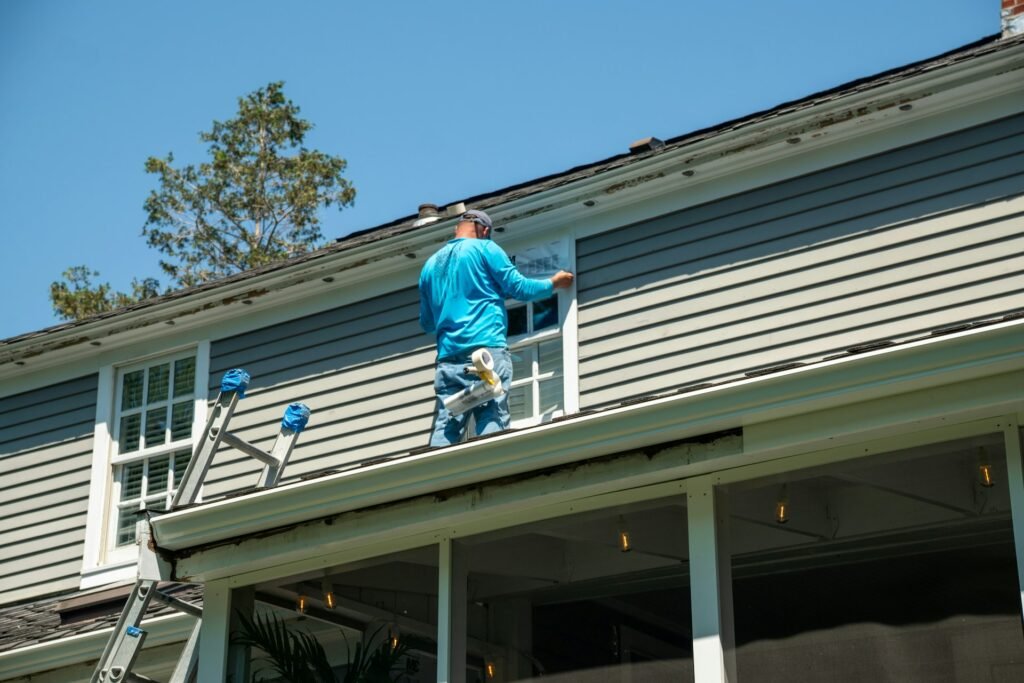
If you are budgeting for an exterior repaint, the first question is usually “How long will it last?” In North Texas, the answer depends less on the calendar and more on sun, prep, and the side of the house you are looking at. This guide from inStyle Painting & Remodeling DFW explains what a published industry range says, why DFW heat changes the math, the warning signs that it is time to repaint, and what actually makes an exterior paint job last longer.
We are based in Allen, Texas, and have been painting North Dallas homes since 2008 with professional Sherwin-Williams paint. Questions about your exterior? Call (469) 777-8281.
The published range: 7 to 10 years
There is no single number that fits every house, but a useful benchmark comes from the International Association of Certified Home Inspectors (InterNACHI). Its Standard Estimated Life Expectancy Chart for Homes lists exterior paint at 7 to 10 years, exterior and interior caulking at 5 to 10 years, and stains at 3 to 8 years. InterNACHI also notes that surface preparation and paint quality are the most important factors in how long paint lasts, and that ultraviolet (UV) rays from sunshine can shorten life expectancy. It describes these figures as guidelines based on normal maintenance and conditions, not extreme weather. (Source: InterNACHI’s Standard Estimated Life Expectancy Chart for Homes.)
That last point matters here. North Texas summers are not “normal conditions” for paint.
Why North Texas is hard on exterior paint
Heat and UV
Allen summers regularly sit in the 90s and 100s, and the sun is intense for much of the year. UV breaks down the binders in paint over time, which leads to fading and chalking, a powdery residue you can wipe off with your hand. Darker colors absorb more heat and tend to show fading sooner. That is why the dark grays, greens, and charcoals popular on newer Frisco and Prosper homes can look tired on the west side long before the north side.
South and west elevations
On almost every house we walk, the south and west sides age fastest. They take the strongest afternoon sun, and on lots without big trees, that exposure is relentless. It is common for one or two sides of a house to need attention while the shaded sides still look fine.
Clay soil and caulk
Much of Collin County sits on clay soil that swells when wet and shrinks when dry. Foundations move, and caulk lines where brick meets trim open up. Once a joint opens, water gets behind the trim and paint begins to fail from the inside. Caulk often needs attention before the paint itself does, which lines up with InterNACHI’s shorter range for caulking.
Hail and storms
Spring hail dings fascia, garage doors, and trim, and sudden storms drive water into any open joint. Damage from one bad storm can shorten the life of an otherwise healthy paint job.
What makes exterior paint last longer
InterNACHI points to prep and paint quality as the biggest factors, and that matches what we see. Here is what makes the difference on a North Texas exterior:
- Washing first. Paint over dirt, chalk, or mildew does not bond. Power washing is usually the first day of an exterior job.
- Scraping and sanding failed paint. New paint is only as strong as what it sits on.
- Caulking the joints that move. Brick-to-trim joints, window and door trim, and siding seams need flexible caulk.
- Priming bare wood and fiber cement. Bare spots need primer before finish coats.
- Professional paint. We use professional Sherwin-Williams exterior products matched to the surface and sun exposure.
- Painting in the right conditions. If a wall is too hot, the product can flash, bubble, or lose adhesion. We move a west elevation to the morning or wait for a better day. Read more in painting exteriors in North Texas heat.
- Color and sheen choices. We talk through how a color will hold up on your sunniest walls, especially when your HOA palette includes darker options.
Signs it is time to repaint
Instead of counting years, walk around your house once or twice a year and look for:
- Chalking: a powdery residue when you rub the siding.
- Fading: especially on south and west walls compared with shaded sides.
- Peeling or flaking: paint lifting off trim, fascia, or the bottom of siding.
- Cracked or open caulk: gaps where brick meets trim or around windows.
- Bare wood: any spot where wood is exposed to weather.
- Mildew: dark staining on shaded walls.
Catching these early often means a smaller job: washing, recaulking, and touching up the worst sides instead of a full repaint after wood damage sets in.
Maintenance between paint jobs
- Wash the exterior periodically to remove dust and mildew.
- Check caulk lines each spring, before storm season, and again after any hail.
- Keep sprinklers from soaking siding and trim every day.
- Trim shrubs back from the walls so siding can dry.
- Touch up small chips and bare spots before water gets in.
What an exterior repaint costs
Our exterior painting starts at $1,299. Your exact number depends on the size and height of the house, how much siding and trim there is versus brick, the condition of the existing paint, and extras like shutters or a front door. We give you a written number at the free estimate. For details, see our exterior painting page and our Allen and DFW house painting cost guide. Planning ahead for cooler weather? See fall exterior painting in Allen.
HOAs and repainting
Many neighborhoods in Allen, McKinney, Frisco, and Plano require approval before you change exterior colors. If you are repainting in the same colors, the process is usually simpler, but check with your association first. We help you choose colors from your HOA’s approved list and paint to the approved colors.
Exterior paint life FAQs
How long does exterior paint last in North Texas?
InterNACHI’s published guideline for exterior paint is 7 to 10 years. In North Texas, sun-facing walls often show wear sooner, so inspect the south and west sides first.
Why does one side of my house look worse than the others?
South and west elevations take the strongest sun. UV fades and chalks paint faster on those walls, especially on unshaded lots.
Do dark exterior colors fade faster?
Darker colors absorb more heat and tend to show fading sooner on sun-facing walls. We talk through color and sheen at the estimate.
Can I repaint only the worst sides?
Sometimes. If the colors still match well, touching up or repainting the most exposed sides can be an option. We will tell you honestly at the walk-around.
Want to know how much life your paint has left? Call (469) 777-8281 or request a free estimate. We will walk every side of your house and tell you what we see.